
Stand

Why a letter about family ends with armor
Family Matters · Part 7 · Ephesians 6
Seven weeks ago we set out to climb a letter. Before we take the last steps, look back down the trail, because the view explains everything about where Paul chooses to end.
In chapters 1 through 3 we learned who we are: blessed with every spiritual blessing in the heavenly realms, chosen before the foundation of the world, adopted as sons and daughters. We learned that we belong to Jesus, and that belonging made us family. In chapter 2, the family widened: the wall came down, strangers became citizens, and the household of God threw open its doors to everyone who comes by faith. In chapter 3, the mystery burst into full view: this family is not just a family. We are being built together into a dwelling place for God by his Spirit, a people designed to be filled with all the fullness of God.
Then came the pivot of chapter 4: therefore. Walk worthy of the calling you have received. Put off the old self, be renewed in the spirit of your minds, put on the new. Chapter 5 took it higher: be imitators of God, as dearly loved children, and walk in love. Be holy as he is holy, not by effort but by faith. And last week we saw what imitating God actually produces: people so filled with the Spirit that it spills out of their mouths, speaking to one another with psalms, hymns, and songs from the Spirit, singing and making music from the heart. The overflowing life touches the tongue. That is one of the clearest fingerprints in all of Ephesians.
So here is the question I want to ask as we open the final chapter: after all of that, why does Paul end where he ends? Six chapters of familial glory, and the letter closes with a soldier putting on armor. Why?
The last word on the family first
Before the armor, Paul finishes his portrait of the household. At the end of chapter 5 he turns to marriage, and he refuses to let it be small. Marriage, he says, testifies to something bigger than the happiness of the two people inside it: "Husbands, love your wives, just as Christ loved the church and gave himself up for her... This is a profound mystery, but I am talking about Christ and the church" (Ephesians 5:25, 32). Imprinted in marriage is something unique about the very way humanity was made to relate to God. We will open that treasure fully in a few weeks when Montell and Kristin Jordan are with us.
Then he turns to the children: "Children, obey your parents in the Lord, for this is right. 'Honor your father and mother' (which is the first commandment with a promise) 'so that it may go well with you and that you may enjoy long life on the earth'" (Ephesians 6:1–3). Notice what Paul notices: of all ten commandments, this is the first one God attached a promise to. He is quoting Exodus 20:12, where honoring father and mother comes with a pledge of blessing and long life in the land. God binds promises to how a family treats each other. And fathers are given their own charge in the same breath: do not exasperate your children; raise them with the patient training and instruction of the Lord (6:4). Obedient children, long-suffering parents: these are behaviors God says he values enough to attach his word to.
So the picture is complete. Blessed, adopted, united, indwelt, filled. Walking worthy, imitating the Father, overflowing in song. Homes and marriages and parents and children that reveal the nature and character of God to a watching world.
And that is exactly why Paul reaches for the armor.
Because there is a thief
Jesus said it without decoration: "The thief comes only to steal and kill and destroy; I have come that they may have life, and have it to the full" (John 10:10). Read the book of Ephesians again and you realize you have been looking at a portrait of the life to the full that Jesus was talking about. And a life that full has an enemy. Everything this letter describes, the unity, the fullness, the singing homes, the honored parents, the loved wives, the secure children, is precisely what the thief comes for.
Paul is not being dramatic. He is being a realist. In 1864, Charles Baudelaire published a strange little prose poem called "The Generous Gambler." In it, the narrator is drawn off a Paris boulevard by a mysterious, charming stranger into a dazzling underground salon, where the two of them pass the evening in luxury: exquisite food, wine, cigars, and brilliant conversation about philosophy and the human heart. Somewhere in that pleasant haze the narrator gambles and loses his soul to his host, the Devil, and barely notices; and the Devil, ever the gentleman, generously promises him a lifetime of luck and pleasure anyway. But the poem's most famous moment is a confession. The Devil admits that only once did he ever fear for his power: the day he heard a preacher, subtler than the rest of his colleagues, cry out from the pulpit, "the loveliest trick of the Devil is to persuade you that he does not exist!" In 1995 a Hollywood screenplay streamlined that line into the version everybody quotes. But do not miss what Baudelaire saw. In his story, the soul is not lost in a battle; it is lost over a lovely dinner, casually, without a fight, which is exactly what Paul means by the devil's schemes. And the only thing that ever frightened the devil was a preacher willing to tell the congregation he was real.
Paul is that preacher, and he will not let the Ephesians fall for the trick. He certainly could not have fooled them anyway. Remember who is receiving this letter. Ephesus is the city where evil spirits fled at the name of Jesus, where handkerchiefs and aprons that had touched Paul carried healing and deliverance, where the seven sons of Sceva learned the hard way that the demonic realm is real and knows exactly who carries authority and who does not. It is the city where brand-new believers hauled their occult scrolls into the street and burned them publicly, fifty thousand drachmas' worth, roughly a hundred and thirty years of wages going up in smoke (Acts 19:11–20). Paul is not introducing these people to the reality of spiritual powers. He is reminding people who watched the kingdom collide with darkness in their own city: the powers you saw defeated are still prowling.
We do not want a meager, victoryless Christianity. We want to be the temple of God filled with all the fullness. Which means we have to hear the final charge.
Be strong in the Lord
"Finally, be strong in the Lord and in his mighty power. Put on the full armor of God, so that you can take your stand against the devil's schemes. For our struggle is not against flesh and blood, but against the rulers, against the authorities, against the powers of this dark world and against the spiritual forces of evil in the heavenly realms. Therefore put on the full armor of God, so that when the day of evil comes, you may be able to stand your ground, and after you have done everything, to stand." (Ephesians 6:10–13)
Three things before we look at a single piece of armor.
First, the source of the strength. Notice the order of Paul's commands: be strong comes before put on. That order matters, because armor by itself never won a battle. Armor on a weak man is just weight. Armor on a mannequin is a museum exhibit. Armor in a parade is pageantry. What makes armor deadly is the strong, alert, trained soldier inside it, and Paul is not outfitting us for a parade. This armor is issued for a real fight, which means it is not enough to have the equipment; we need the strength and the alertness that come from God to be ready to use it. "Be strong in the Lord" is not a pep talk; it is a spiritual principle, and it is the same one Paul prayed over them in chapter 3: that God "may strengthen you with power through his Spirit in your inner being" (3:16). The letter opens its commands in the place of communion and closes them there too. Strengthening yourself in God is an act of faith that happens as we spend intentional time with him, and the alertness Paul calls for at the end of the passage ("be alert and always keep on praying," 6:18) is kept the same way. You cannot put on armor you have never been near, and you cannot fight in armor you only wear on Sundays.
Second, the nature of the fight. "Our struggle" translates a wrestling word: palē, hand-to-hand combat, close enough to feel your opponent's breath. This is not a distant artillery war; it is personal. And it is not against flesh and blood. The person across the dinner table is never the enemy. The rulers, authorities, powers, and spiritual forces behind the discord are.
Third, the timing. "When the day of evil comes." Scholars debate whether that phrase is eschatological, and the best answer is both. Paul has already said "the days are evil" (5:16); the whole present age qualifies. But "THE day of evil" is more concentrated: the day the assault comes at full strength against you. And behind both stands what theologians call inaugurated eschatology, the "already and not yet": the New Testament says the last days began at Pentecost (Acts 2:17), which means every generation of the church has lived in them, and the armor was never issued for someday. You suit up before the evil day because you do not get to schedule it.
And look at the objective in verse 13. The Greek piles up the standing words: having done everything, stand. The participle is a soldier's word, "having fought it all through," and the command that follows is not "advance" or "retreat" but "hold." When the smoke clears, still be there, on your feet, ground kept.
Every Greek schoolchild, Ephesus included, grew up on a story about exactly that. In 480 BC, Xerxes, the king of Persia, marched on Greece with the largest invasion force the ancient world had ever seen, an army so vast that Herodotus claimed it drank rivers dry as it passed. The free Greek cities had one hope: a narrow pass on the coast called Thermopylae, the "Hot Gates," where the mountains squeezed the road down to a corridor so tight that numbers stopped mattering. King Leonidas of Sparta marched there with three hundred of his own men and a few thousand allies and planted himself in the gap. For two days the greatest army on earth threw itself into that corridor and could not move them. When a local told the Spartans that the Persian arrows would fly so thick they would blot out the sun, one of them famously shrugged: then we will fight in the shade. Then a traitor showed Xerxes a mountain path around the pass. Leonidas saw what was coming, sent most of the allies home, and stayed with his three hundred, fully knowing how it would end. They held the ground until the last man fell. And here is the part every Greek knew by heart: the stand that lost the pass saved the nation. Those days bought Greece the time to rally, and within a year the invasion was broken. The epitaph carved where they fell became one of the most famous sentences in the ancient world: go tell the Spartans, stranger passing by, that here, obedient to their word, we lie.
Ephesus knew that story from the wrong side of it; Ionia was under Persia in those days, and their ancestors had been conscripted to march with the invader. Paul writes to Greeks who knew exactly what a stand was worth and exactly what it cost, and he tells the family of God: that is your posture. Not panic. Not retreat. Stand, and let your stand purchase something for the people behind you.
Armor an Ephesian could picture
Every Ephesian had seen a Roman soldier a thousand times. When Paul, who at this very moment is chained to one (6:20), lists the equipment, his readers can see each piece. But notice: Paul is describing principles, not prescribing emblems. The armor is what a life looks like when truth, righteousness, peace, faith, salvation, and the word are actually worn.
"Stand firm then, with the belt of truth buckled around your waist, with the breastplate of righteousness in place, and with your feet fitted with the readiness that comes from the gospel of peace. In addition to all this, take up the shield of faith, with which you can extinguish all the flaming arrows of the evil one. Take the helmet of salvation and the sword of the Spirit, which is the word of God." (Ephesians 6:14–17)
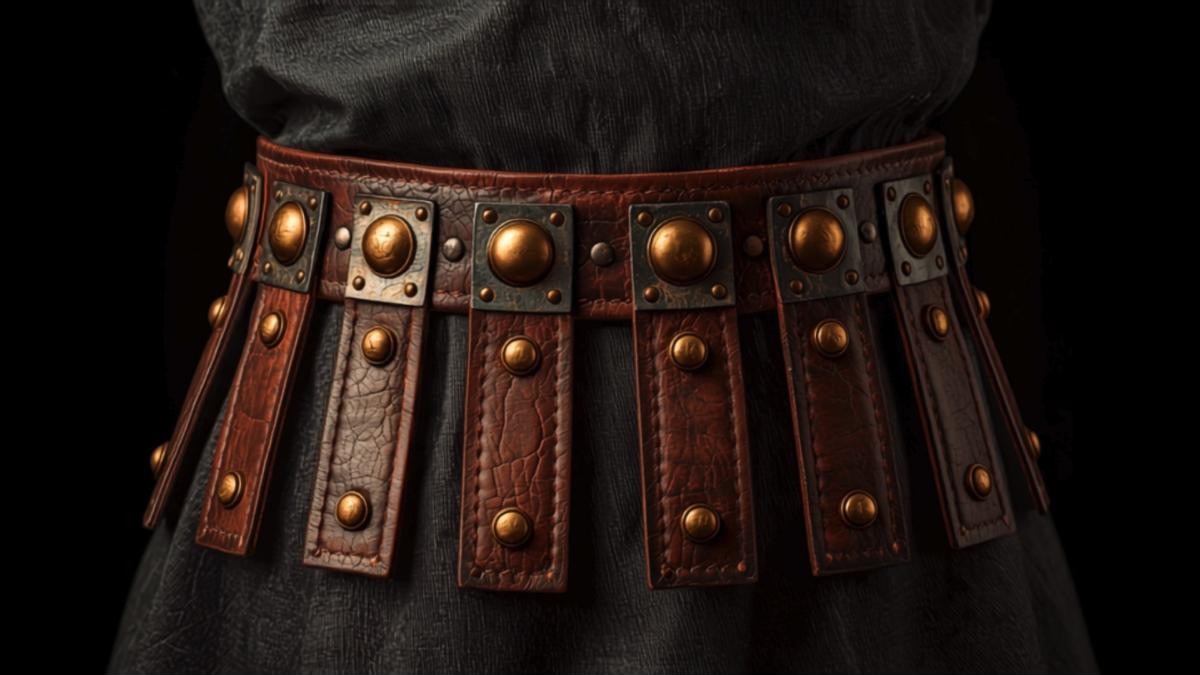
The belt of truth. The soldier's belt, the cingulum, was not decoration. It gathered the tunic for movement, carried the sword, and cinched the whole kit into place. Everything hung on it. Lose the belt and the rest of the armor comes apart. That is what truth does: it holds the entire life together. Deception anywhere loosens everything.
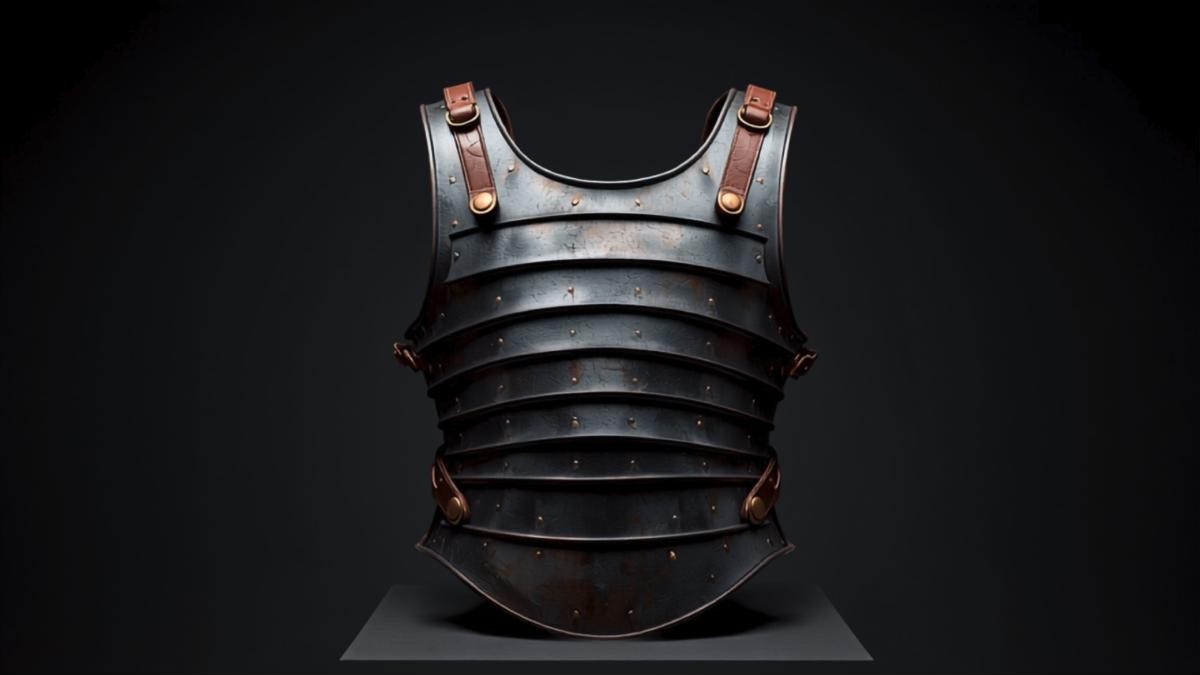
The breastplate of righteousness. The lorica covered the heart and lungs, the organs you cannot take a blow to and keep fighting. Righteousness guards the vitals: peace in the heart, a conscience without an open seam for accusation to slip through.
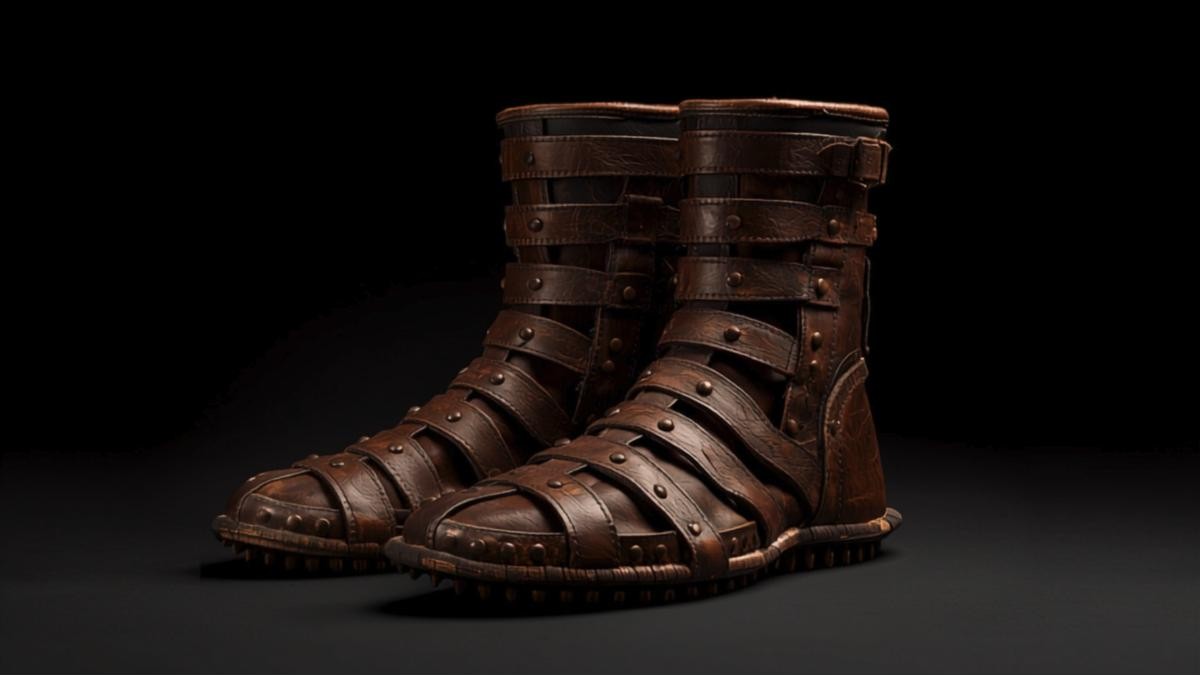
Feet fitted with readiness. Roman military boots, the caligae, were famous: leather studded with iron hobnails, built for grip on any terrain and for marching mile after mile without failing. Ordinary sandals could not hold ground in a shoving match of shields; hobnails could. The gospel of peace does that for your footing, and it also sends you: "How beautiful on the mountains are the feet of those who bring good news" (Isaiah 52:7). Planted when you must hold. Moving when you are sent.

The shield of faith. The scutum was not a little round buckler; it was a door of wood, canvas, and leather, curved around the body, nearly half the soldier's height. Before battle, soldiers soaked the leather in water for one specific reason: the enemy's arrows came wrapped in pitch and set alight, designed not merely to pierce a man but to set him on fire. Against a soaked shield, the flaming arrow struck and hissed out. That is precisely how the enemy's temptations work: not just to wound you but to ignite you, to turn one moment of impact into a spreading blaze of lust or rage or despair. Faith, soaked in the water of the word, catches the arrow and puts it out.
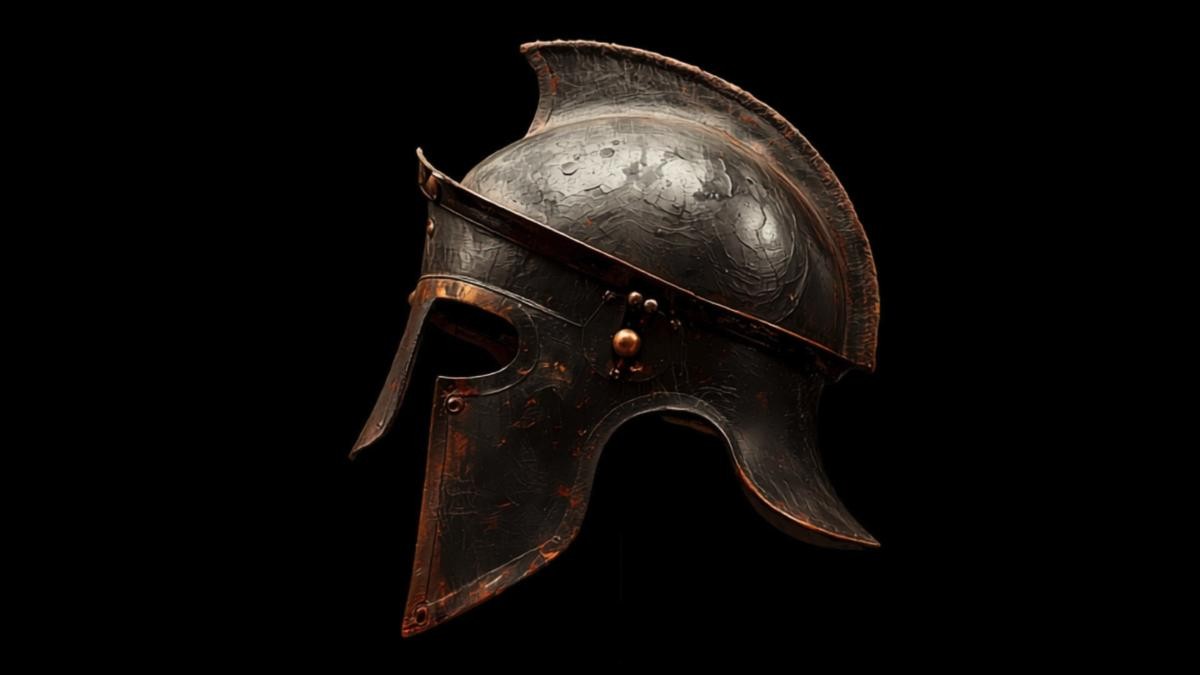
The helmet of salvation. The galea guarded the head. Salvation guards the mind: settled assurance that quiets the accusations, steadies the thoughts, and keeps the enemy out of your inner narration.
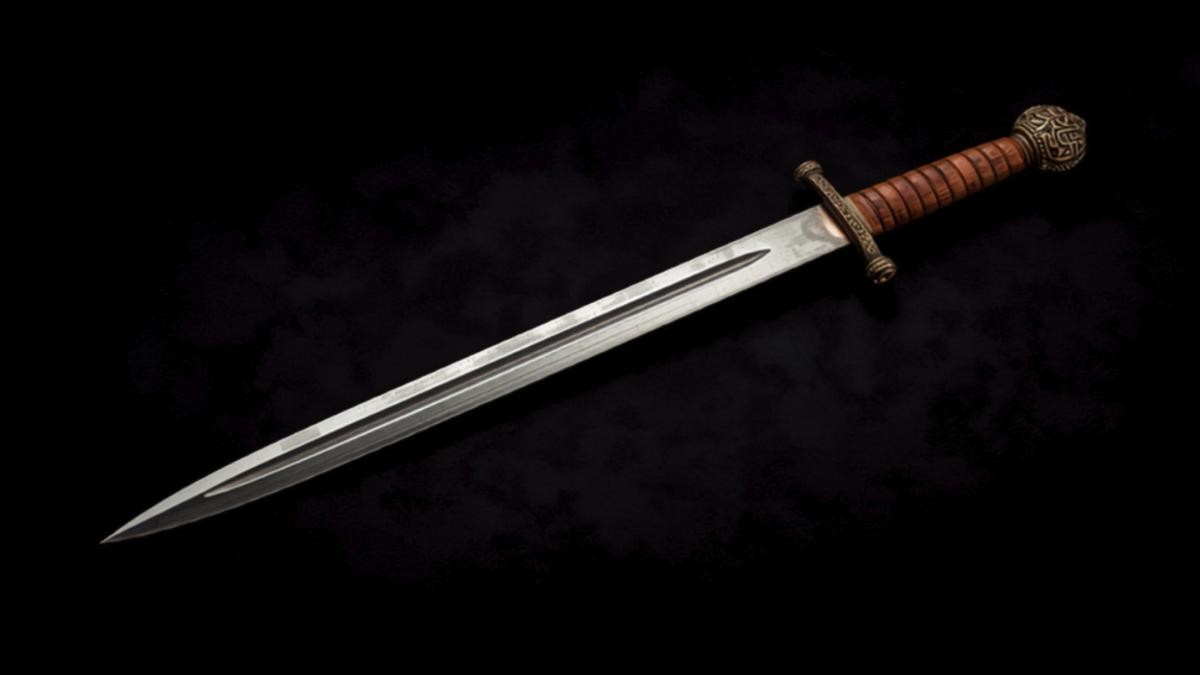
The sword of the Spirit. The machaira was the short sword, the gladius of close combat, the weapon for the wrestling-distance fight Paul just described. It is the one offensive weapon in the list, and Paul names it: the word of God. And here is the detail I love most: the Greek word for "word" in verse 17 is rhema, the spoken word, the uttered word, the same word we found last week in 5:26 where Christ washes his bride with the water of the word. The word that washes the church is the word that arms her. The same Scripture that cleanses you in devotion becomes a blade in your hand in battle.
Notice too how the shield and the sword work as a pair: "faith comes from hearing the message, and the message is heard through the word about Christ" (Romans 10:17). The word feeds the faith; the faith holds the shield; the shield guards the hand that swings the word.
How the sword is swung
If you want to see this armor worn perfectly, watch Jesus in the wilderness in Luke 4. He goes in full of the Holy Spirit and led by the Spirit, and the devil comes at him with twisted scripture. "Throw yourself down from the temple," Satan says, quoting Psalm 91 like a counterfeit swordsman: "He will command his angels concerning you... they will lift you up in their hands, so that you will not strike your foot against a stone" (Luke 4:10–11). Scripture, bent into a temptation toward presumption and pride.
And Jesus untwists it, stroke for stroke. "It is written: 'Man shall not live on bread alone'" (Luke 4:4). "It is said: 'Do not put the Lord your God to the test'" (Luke 4:12). Under the anointing of the Spirit, he applies the right word, rightly, at the right moment. The sword of the Spirit is not a verse shouted at random; it is the Spirit-breathed word, accurately handled, and the enemy has no answer for it. He left him until an opportune time, and the Son walked out of the wilderness still standing.
And then: pray, pray, pray
The armor has one more surprise. After the last piece is buckled on, Paul does not say charge. He says pray.
"And pray in the Spirit on all occasions with all kinds of prayers and requests. With this in mind, be alert and always keep on praying for all the Lord's people. Pray also for me, that whenever I speak, words may be given me so that I will fearlessly make known the mystery of the gospel, for which I am an ambassador in chains. Pray that I may declare it fearlessly, as I should." (Ephesians 6:18–20)
Count the pleadings: pray in the Spirit, on all occasions, with all kinds of prayers, always keep on praying, for all the Lord's people, pray also for me, pray that I may declare it fearlessly. What is Paul saying? Pray. Pray. Pray. The armored family is a praying family. Put on the armor, keep being the singing, Spirit-filled people of chapter 5, and pray: pray for victory, pray that the gospel advances, pray that the mystery keeps being made known, and pray for your leaders, because even the apostle in chains asks the family to pray for him.
Three ways to stand this week
Strengthen yourself in the Lord. Communion before combat. The strength is his, and it transfers in his presence. Intentional time with God is not the reward after the battle; it is the armory before it.
Suit up daily. The pieces are principles to practice, not emblems to imagine: walk in truth, keep short accounts in righteousness, stay gospel-ready, soak your faith in the word, rest your mind in your salvation, and keep the sword within reach by keeping the word in your mouth.
Pray everything. In the Spirit, on all occasions, all kinds of prayers, for all the family. If Paul needed the church's prayers to speak fearlessly, so do your pastors, your spouse, your children, and the person beside you on Sunday.
The benediction
And then Paul signs off the way he began: with family language. No armor in the last two verses. Just peace, love, faith, and grace, handed to the household.
"Peace to the brothers and sisters, and love with faith from God the Father and the Lord Jesus Christ. Grace to all who love our Lord Jesus Christ with an undying love." (Ephesians 6:23–24)
So receive it, two thousand years downstream, as the blessing spoken over your life and your home: may you be the people, the family, the households described in the book of Ephesians. Peace to you, brothers and sisters. Love with faith, because loving, faith-filled obedience is the whole walk. And grace to all who love our Lord Jesus Christ with an undying love.
Why does a letter about family end with armor? Because the family is worth defending. The thief comes to steal, kill, and destroy; Christ came that this family would have life to the full. So be strong in the Lord. Put on the whole armor. Sing. Pray.
And when the evil day has thrown everything it has at you, be found where the family of God has always been found.
Standing.